You have 0 items in your cart


Michael Hurckes’s Strategic Introduction to the FINRA Series 66 Exam
Overview, Importance
Are you looking to become an investment advisor representative or securities agent? If yes, the Series 66 exam is your gateway. Simply put, passing the Series 66 exam makes you qualified for these roles in the United States. This test is a must if you want to legally provide investment advice and handle securities transactions for clients.
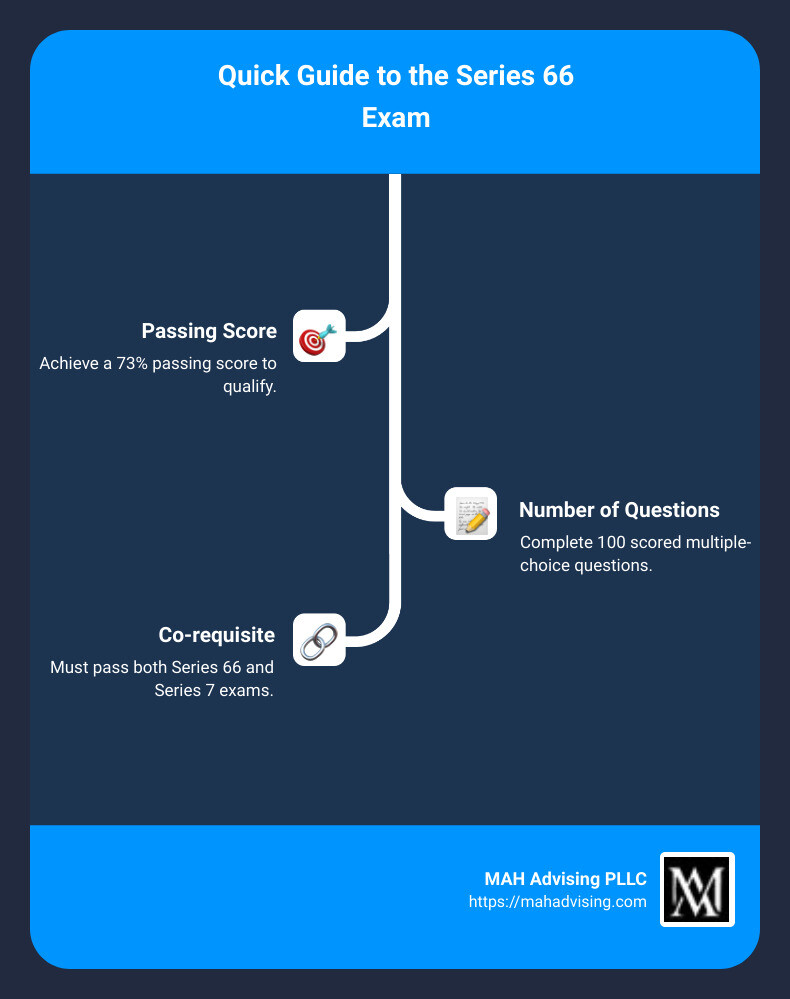
Here are some fast facts about the Series 66 exam:
– It qualifies individuals as investment advisor representatives (IARs).
– You need to pass both the Series 66 and the Series 7 exams.
– The exam has 100 scored multiple-choice questions, needs a 73% to pass, and takes 150 minutes.
Why is this important? Because without this certification, you cannot legally offer the kind of financial advice or transaction services that can shape your career in finance. It’s your ticket to offering more services, enhancing your credibility, and increasing your earning potential in the securities industry.
Understanding the FINRA Series 66 Exam
When you hear about the FINRA Series 66 exam, think of it as your passport to becoming a financial advisor in the U.S. This exam, officially known as the Uniform Combined State Law Examination, is a critical step for those looking to become both securities agents and investment adviser representatives. It’s like hitting two birds with one stone, combining the knowledge required for both roles into one comprehensive test.
Who Develops It?
The Series 66 exam is developed by the North American Securities Administrators Association (NASAA), a group with a big name because they have a big role: protecting investors and ensuring financial markets are fair. NASAA designs the exam to test knowledge in areas critical to advising on investments and transacting securities. If you’re curious about the specifics of their role and how this exam fits into the bigger picture of financial regulation, you might find the details on their official website enlightening.
Who Administers It?
Though NASAA develops the exam, they hand over the reins to the Financial Industry Regulatory Authority (FINRA) when it comes to administration. FINRA is like the hall monitor for the securities industry, ensuring everything runs smoothly and fairly. They handle the logistics of the exam, from registration to delivering your results. Their collaboration ensures that by the time you pass the Series 66, you’re well-versed in the laws, regulations, and ethical standards necessary to guide your clients wisely. More about the administration process can be found on the FINRA website.
What’s on the Test?
The Series 66 exam is a blend of laws, regulations, and investment strategies. It consists of 100 multiple-choice questions that cover a wide range of topics relevant to investment advising and securities transactions. This includes economic factors, investment vehicles, strategies for client recommendations, and, of course, understanding the legal and regulatory environment of the financial markets.
Why It Matters?
Passing the Series 66 is more than just another notch on your belt; it’s a requirement for those looking to offer investment advice or engage in the sale of securities. It signifies to employers, peers, and clients that you have a solid understanding of both the advisory and regulatory aspects of the finance industry. Plus, it’s a stepping stone to further certifications and specialized roles within the financial world.
The Series 66 exam is your key to a broader range of opportunities in the finance industry. By combining the regulatory knowledge of the Series 63 with the investment advising principles of the Series 65, it prepares you for a comprehensive advisory role. Whether you’re aiming to become an independent advisor or to take on a more significant role within a financial institution, the Series 66 is an essential milestone on your career path.
Now that you have a sense of what the FINRA Series 66 exam entails and why it’s so important, let’s dive into the specifics of the exam structure and content in the next section.
Exam Structure and Content
When you’re setting sights on the FINRA Series 66 exam, understanding its structure and what’s on it is crucial. This is your roadmap to navigating through the exam successfully.
The Basics
At its core, the Series 66 exam consists of 110 questions. However, it’s important to note that only 100 of these are scored. The remaining 10 questions are unscored pretest items used by the examiners to gauge the validity of future exam questions. These pretest questions are mixed into the exam, and you won’t be able to distinguish them from the scored questions, so you should approach all questions with equal seriousness.
Candidates are allotted 150 minutes, or 2 and a half hours, to complete the exam. This time frame demands not just knowledge, but also time management skills to ensure you can address all questions within the allotted time.
Content Outline
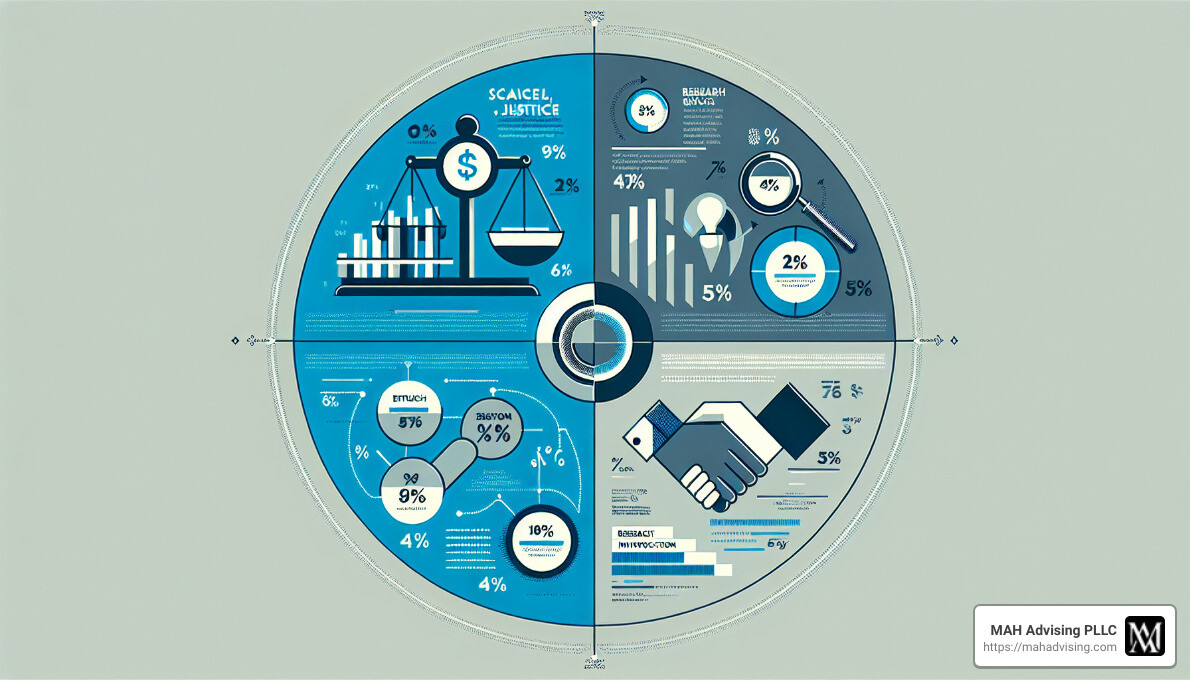
The Series 66 exam content is designed to assess your readiness to work as both a securities agent and investment adviser representative. It’s structured around four major components:
- Economic Factors and Business Information (5%): This section tests your understanding of financial reporting, quantitative methods, and various types of risk. It’s essential to grasp the basics of financial ratios, SEC filings, and annual reports, among other topics.
- Investment Vehicle Characteristics (20%): Here, you’ll need to show your knowledge about the different types of investment products and strategies. This includes understanding mutual funds, annuities, stocks, bonds, and real estate investment trusts (REITs).
- Client/Customer Investment Recommendations and Strategies (30%): This segment is all about applying your knowledge to real-world scenarios. You’ll be tested on your ability to recommend suitable investment strategies and products based on specific client profiles and objectives.
- Laws, Regulations, and Guidelines, Including Prohibition on Unethical Business Practices (45%): The largest portion of the exam focuses on regulatory knowledge. You’ll need to be familiar with state and federal securities acts, ethical practices, and fiduciary obligations. Knowing the laws that govern the securities industry inside and out is crucial for passing the Series 66.
Strategic Approach to Studying
Given the wide range of topics covered, a strategic approach to studying is necessary. It’s not just about memorizing facts but understanding concepts and how they apply in real-world advising scenarios. Integrating practice tests into your study routine can help you identify weak areas and familiarize yourself with the exam’s format and timing.
For a more detailed breakdown of the exam content and structure, you can refer to the official NASAA Series 66 exam content outline and the FINRA’s Enroll for a Series Exam page for registration details.
We’ll delve into how the Series 66 compares to other FINRA exams, shedding light on its unique position within the spectrum of securities qualifications.
Series 66 vs. Other FINRA Exams
Navigating FINRA exams can feel like trying to find your way through a dense forest. Each path, or in this case, each exam, leads to different opportunities and challenges. Let’s simplify the journey by comparing the finra series 66 exam with its counterparts: Series 7, Series 63, and Series 65.
Series 66 vs. Series 7
The Series 7 exam is often seen as the broadest of all securities exams, covering a wide range of investment products and serving as a stepping stone for those looking to become full-fledged securities professionals. On the other hand, the Series 66 is more specialized, combining elements of the Series 63 and Series 65 exams into one. To register as an investment advisor representative (IAR) in most states, you’ll need to pass both the Series 66 and Series 7 exams. This requirement underlines the Series 66’s role as a complement to the Series 7, rather than a standalone certification.
Difficulty level also sets these two apart. While the Series 7 is comprehensive, covering everything from stocks and bonds to mutual funds and retirement plans, the Series 66 focuses more on laws, regulations, and ethics. This doesn’t necessarily make one harder than the other—it just means they test different skill sets.
Series 66 vs. Series 63
The Series 63 exam is required for those looking to qualify as securities agents at the state level. It’s all about state laws and regulations, ensuring that professionals understand the legal landscape in which they operate. The Series 66, while also covering state law, dives deeper into the advisory aspect, making it a requirement for those seeking to offer investment advice.
State registration is a crucial point here. The Series 66 allows you to bypass the Series 63 requirement if you’re aiming to become an IAR, streamlining the path to offering both securities transactions and investment advice under one certification.
Series 66 vs. Series 65
The Series 65 is designed for those who wish to act solely as investment advisers. Unlike the Series 66, there’s no need to pass the Series 7 exam alongside it. However, for those who want the best of both worlds—offering investment advice and engaging in securities transactions—the Series 66 is the way to go.
Combined exam is a term often associated with the Series 66 because it essentially merges the content of the Series 63 and Series 65 exams. This makes it a highly efficient choice for professionals looking to maximize their qualifications without taking multiple tests.
Investment adviser qualifications also differ slightly between the two. While the Series 65 focuses exclusively on advisory services, the Series 66 certifies you to both advise and transact, provided you’ve also passed the Series 7.
In summary, the finra series 66 exam offers a unique blend of securities law, regulation knowledge, and investment advisory skills, setting it apart in the landscape of FINRA exams. Whether you’re looking to specialize further after your Series 7, streamline your path to becoming an IAR, or simply want to expand your professional capabilities, understanding these distinctions can help guide your journey in the securities industry.
Let’s now turn our attention to preparing for the Series 66 exam, where we’ll explore effective study materials, test prep programs, and practice tests to ensure you’re well-equipped for success.
Preparing for the Series 66 Exam
Preparing for the FINRA Series 66 exam requires a focused approach, combining the right study materials, test prep programs, and practice tests to navigate through its comprehensive content. Here’s how to get started:
Study Materials
Your journey to passing the Series 66 exam begins with selecting the right study materials. Look for resources that cover all topics outlined by the NASAA and FINRA, ensuring they’re up-to-date with the latest regulations and practices. A comprehensive study guide is your best friend here, breaking down complex topics into digestible sections.
Test Prep Programs
Investing in a quality test prep program can make a significant difference in your preparation. These programs offer structured learning paths, video tutorials, and access to instructors for queries. They often include a Best Practices Guide, offering recommendations on study hours, effective use of study materials, and test-taking strategies. Ensure the program you choose has a proven track record of success and provides ample practice questions and mock exams.
Practice Tests
Practice makes perfect, especially when it comes to the Series 66 exam. Engaging with practice tests is crucial for several reasons. First, they familiarize you with the exam format and question styles. Second, they help identify areas where you need further review. Aim to complete as many practice questions as possible, and consider using platforms that offer both question variety and detailed explanations for each answer.
Additionally, the importance of crafting a personalized study plan cannot be overstressed. Allocate dedicated study times each day and break down the content into manageable sections. This methodical approach helps ensure you cover all necessary topics without overwhelming yourself.
For those looking for insights and tips from individuals who have successfully navigated the Series 66 exam, exploring discussions on platforms like Quora can be invaluable. Here, you can find personal experiences, advice, and encouragement from a community of peers and professionals.
The key to succeeding in the FINRA Series 66 exam lies not just in memorizing facts but in understanding concepts and how to apply them. With the right preparation strategy, study materials, and test prep program, you will be well on your way to achieving a passing score and advancing your career in the securities industry.
In the next section, we’ll delve into the registration and scheduling process for the Series 66 exam, ensuring you know how to officially embark on this crucial step towards your professional development in the financial industry.
Registration and Scheduling
Enroll for an Exam
Before you can sit for the FINRA Series 66 exam, you must first enroll. The process is straightforward but requires attention to detail to ensure everything is in order. If you’re associated with a broker-dealer or investment adviser, it’s crucial to consult with your firm before proceeding. They may need to submit a Form U4 on your behalf, which is a standard procedure for many in the industry. For more detailed steps on enrollment, you can refer to the initial guidelines provided by regulatory bodies here.
Exam Fees
The cost of the Series 66 exam is $177. This fee is necessary to secure your spot for the exam and covers the administrative costs associated with the testing process. Investing in your professional future often comes with such fees, and the Series 66 exam is an essential step for those looking to advance in the securities industry.
Scheduling Process
Once you’ve enrolled and paid the necessary fees, the next step is to schedule your exam. This process is done through Prometric, a service that offers testing locations nationwide. You’ll want to choose a date that gives you ample time to prepare — rushing into the exam is not advisable. Scheduling can be done easily online, providing you with the flexibility to select a date and location that best fits your preparation schedule and personal commitments.
Key Tips for Scheduling Your Exam:
– Choose Your Date Wisely: Give yourself enough time to study. A rushed preparation often leads to unnecessary stress and can impact your performance.
– Location Matters: Pick a testing center that is convenient for you. Consider factors like travel time and the center’s environment.
– Check for Availability: Some testing centers might fill up quickly. It’s wise to schedule early to get your preferred date and location.
Important Consideration: If you require any accommodations due to disabilities, make sure to indicate this during the registration process. FINRA and testing centers are committed to providing the necessary accommodations to ensure every candidate has a fair chance at success.
By following these steps, you can smoothly navigate the registration and scheduling phase of your Series 66 exam journey. This is the foundational step that paves the way for your success in the exam and your future career in the securities industry.
Continuing Education and Exam Validity
After you’ve conquered the FINRA Series 66 exam, your journey in keeping your credentials current and valid begins. Let’s dive into the importance of Continuing Education (CE) and how the Exam Validity Extension Program can play a crucial role in your career.
IAR Continuing Education
Once you’ve earned the title of Investment Adviser Representative (IAR), staying sharp and informed is non-negotiable. The world of investment advising evolves, and so must you. States adopting the NASAA’s model rule on IAR Continuing Education mandate IARs to meet annual CE requirements to maintain an active license.
Here’s the breakdown:
- Regulatory Element Training: This keeps you updated on the latest regulations and ethical standards.
- Products and Practices Requirement: Ensures you’re knowledgeable about new products and investment strategies.
For more comprehensive information, checking out NASAA’s IAR CE page can offer deeper insights and guidelines.
Exam Validity Extension Program (EVEP)
Life happens, and sometimes you might find yourself in a situation where you’re not actively practicing but still wish to keep your qualifications. Recognizing this need, NASAA introduced the Examination Validity Extension Program (EVEP). Similar to FINRA’s Maintaining Qualifications Program (MQP), EVEP allows you to maintain the validity of your Series 65 for up to five years in participating jurisdictions by completing annual CE requirements.
This program is invaluable for those taking a career break or transitioning, ensuring your hard-earned qualification remains relevant. For FAQs and more details, visiting NASAA’s EVEP page would be beneficial.
Regulatory Element Training
Staying compliant and knowledgeable about the ever-changing landscape of financial regulations is crucial. This training is part of the continuing education that ensures you remain a competent and ethical financial professional. It’s not just about maintaining your license; it’s about ensuring you provide the highest quality advice to your clients.
As we transition into the next section, the FINRA Series 66 isn’t just an exam you pass and forget. It’s the beginning of a commitment to excellence, ethical practice, and continuous learning in your financial advisory career. Let’s explore some of the most Frequently Asked Questions about the Series 66 Exam to clarify any lingering uncertainties.
Frequently Asked Questions about the Series 66 Exam
When it comes to the FINRA Series 66 exam, there are several common questions that candidates have. Let’s clear up some of these uncertainties with straightforward answers.
What is the pass rate for the Series 66 exam?
The official pass rate for the FINRA Series 66 exam isn’t published by the regulatory bodies. However, based on estimates from test prep programs, it’s believed that the pass rate hovers around 65% to 70%. This figure can vary widely depending on the preparation method and the background knowledge of the candidates.
Is the Series 66 exam available online?
As of the latest updates, the Series 66 exam must be taken at a designated test center. You can schedule an appointment with Prometric Testing Centers to find a suitable date and location. While some exams have moved to online formats recently, the Series 66 continues to require in-person attendance to ensure the integrity and security of the testing process.
How does the Series 66 exam compare in difficulty to other FINRA exams?
The difficulty level of the Series 66 exam is often debated among candidates. It’s essentially designed as a combination of the Series 63 and Series 65 exams. Since it doesn’t cover the product, analysis, and strategy questions included in the Series 7 exam, many consider the Series 66 to be less challenging than the Series 65 but more comprehensive than the Series 63.
However, the perceived difficulty can vary greatly depending on one’s familiarity with the material. The Series 66 requires a deep understanding of laws, regulations, and ethical practices relevant to investment advisors and securities agents. Those well-versed in these areas might find the exam more manageable.
It’s worth noting that the Series 66 exam is unique because it serves as a co-requisite to the Series 7 exam. This means that while it combines elements of the Series 63 and Series 65 exams, it is not a substitute for the comprehensive product knowledge required by the Series 7.
For those embarking on the journey to pass the FINRA Series 66, thorough preparation is key. Consider leveraging various study resources, practice tests, and possibly enrolling in a reputable test prep program to enhance your understanding and confidence before exam day.
The FINRA Series 66 isn’t just an exam you pass and forget. It’s the beginning of a commitment to excellence, ethical practice, and continuous learning in your financial advisory career.
Conclusion
The journey through the FINRA Series 66 exam is more than a route to obtaining a license; it’s a foundational step towards shaping a reputable career in the financial services industry. This exam not only tests your knowledge of investment strategies, regulations, and ethics but also affirms your dedication to upholding the highest standards of practice.
Exam Significance
The significance of the FINRA Series 66 exam cannot be overstated. It serves as a gateway for professionals aiming to engage deeply with clients, offering investment advice and transacting securities. By combining the elements of the Series 63 and Series 65 exams, it streamlines the path to becoming a fully-fledged investment advisor representative or securities agent.
Understanding the complex nature of financial markets and regulatory environments is crucial, and the Series 66 exam ensures that candidates possess this critical knowledge. It’s a testament to one’s commitment to professional growth and ethical practice in the financial advisory field.
Career Advancement
Passing the Series 66 exam opens up a world of opportunities for career advancement in the financial sector. It qualifies you to provide a broader range of services to clients, enhancing your value as a financial professional. With this qualification, you’re not just a participant in the financial industry; you’re a trusted advisor who can offer comprehensive investment advice and execute securities transactions.
For those looking to carve out a niche in financial planning, wealth management, or investment advice, the Series 66 is a critical step on the career ladder. It equips you with the credentials to stand out in a competitive field, showcasing your expertise and dedication to regulatory compliance and ethical practice.
Regulatory Compliance
In the changing landscape of financial regulations, staying compliant is paramount. The Series 66 exam underscores the importance of understanding state and federal laws, ensuring that professionals are well-versed in the legal aspects of their practice. This knowledge is critical not only for passing the exam but for navigating the complexities of the financial industry throughout your career.
When trust is the currency of the financial advisory profession, the Series 66 serves as a seal of excellence. It signals to clients, employers, and the industry at large that you are committed to upholding the highest standards of integrity and professionalism.
In conclusion, the FINRA Series 66 exam is more than a milestone; it’s a launching pad for a fulfilling career in the financial industry. It’s an investment in your professional future, one that pays dividends in credibility, opportunity, and regulatory compliance. As you embark on this journey, preparation is key — practice tests, study plans, and continuous learning will be your best allies.
For those seeking to navigate the regulatory exams landscape with confidence, MAH Advising PLLC is here to guide you. Our expertise and support can help you achieve your professional goals in the financial industry, ensuring a smooth journey towards success.
Take this step with determination and an eye towards the future, and you’ll find that the Series 66 exam is not just an end goal but a beginning to a rewarding career in finance.